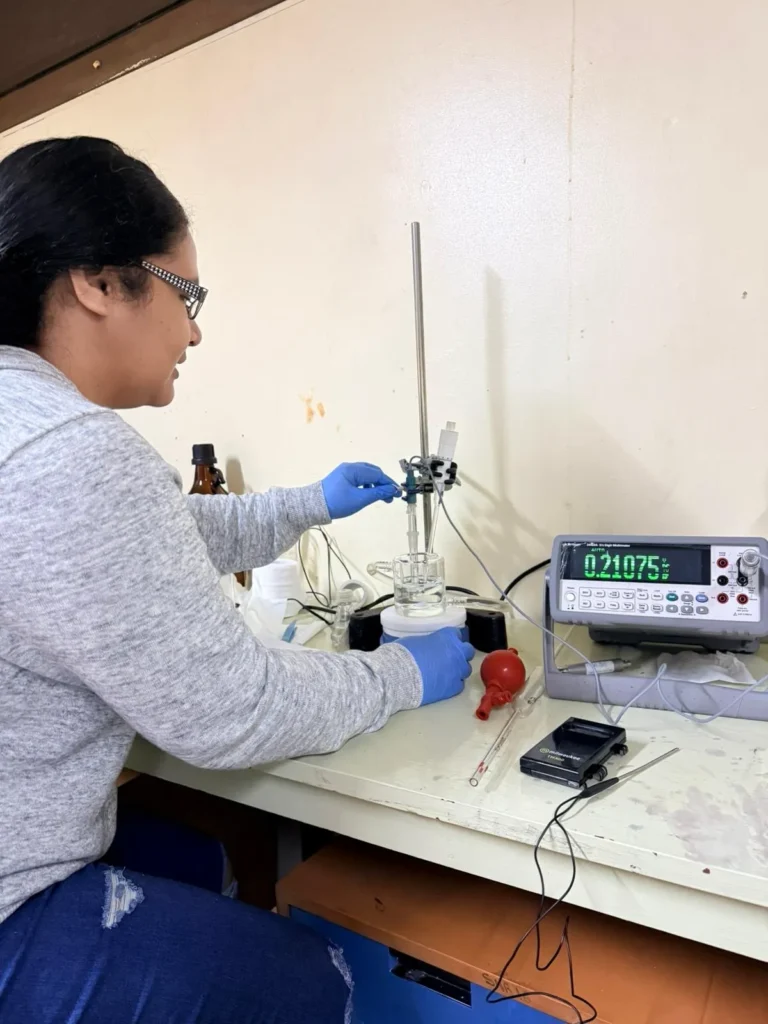
Ocean Acidification is the unprecedented decline in ocean pH as a direct result of carbon emissions. Generally speaking, ocean acidification should be viewed as one stressor among many. Key stressors in the Pacific Islands region include (but are not limited to) climate change, physical damage caused by dredging for shipping and cruise ships, tourist activities, coastal development and nutrient and contaminant runoff from land sources.
Project Goal:
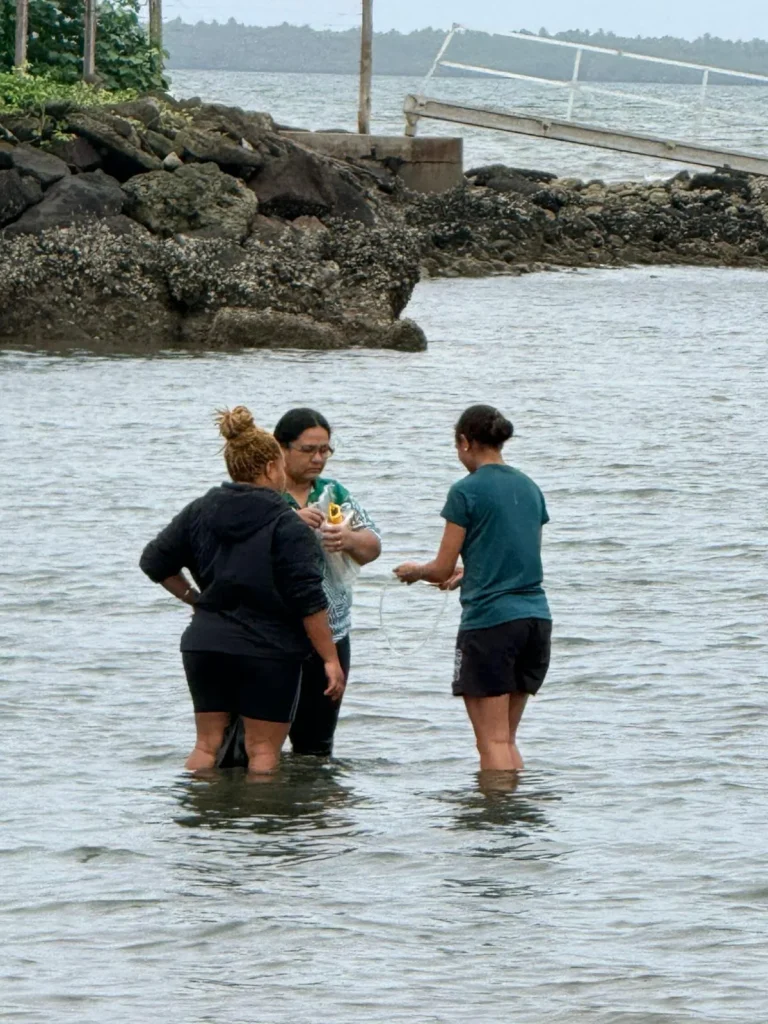
This project aims to increase monitoring capacity in the coastal waters of Tuvalu through the provision of seawater measurement equipment to the Government of Tuvalu, to monitor and study ocean acidification.
Project Partners:
- The Ocean Foundation
- The U.S. Department of State
- The Government of Sweden
- The Global Ocean Acidification Observing Network (GOA-ON)
- The Secretariat of the Pacific Regional Environment Programme (SPREP)
Key background information
Ocean acidification (OA) is the process by which the pH of seawater decreases, making it more acidic. This occurs when the ocean absorbs carbon dioxide (CO2) from the atmosphere, which reacts with water to form carbonic acid. The increased acidity can have a range of negative impacts on marine life and ecosystems.
Ocean acidification (OA) is a global issue that degrades local marine ecosystems. The Pacific Islands region is susceptible to the effects of OA because communities’ livelihoods are tied to a thriving coastal ecosystem. People rely heavily on the ocean for food, livelihoods, and cultural practices. Many of the species that Pacific Islanders rely on for food, such as shellfish, rely on calcium carbonate to build their shells. As ocean acidity increases, it will be more difficult for these species to build and maintain their shells, making them more vulnerable to predation and other stressors.
In addition to impacting marine life, OA can also have economic impacts on Pacific Island communities. The fishing and tourism industries in our region could suffer if key species are impacted by acidification.
The impacts of ocean acidification (OA) are expected to be widespread and compound with other human-induced pollution and climate change stressors, such as increased seawater temperatures and the prevalence of marine heatwaves due to climate change.
Our understanding of the effects of OA on ecosystems, including for key species that sustain oceanic food webs, is incomplete, highlighting the need for further research on the impacts of OA on ecosystems and their capacity to adapt to increased OA. It is crucial for policy and governance to prioritize adaptation measures to mitigate the impacts of OA on fisheries and protect the health and biodiversity of aquatic organisms and ecosystems.
Therefore, to address the impacts of ocean acidification, Pacific Islands and Territories must understand local ocean acidification conditions, identify effective and sustainable adaptation and mitigation approaches, and develop strategies to address the changes to the ecosystems, communities, livelihood and economies.
Pacific Islands Ocean Acidification Centre (PIOAC)
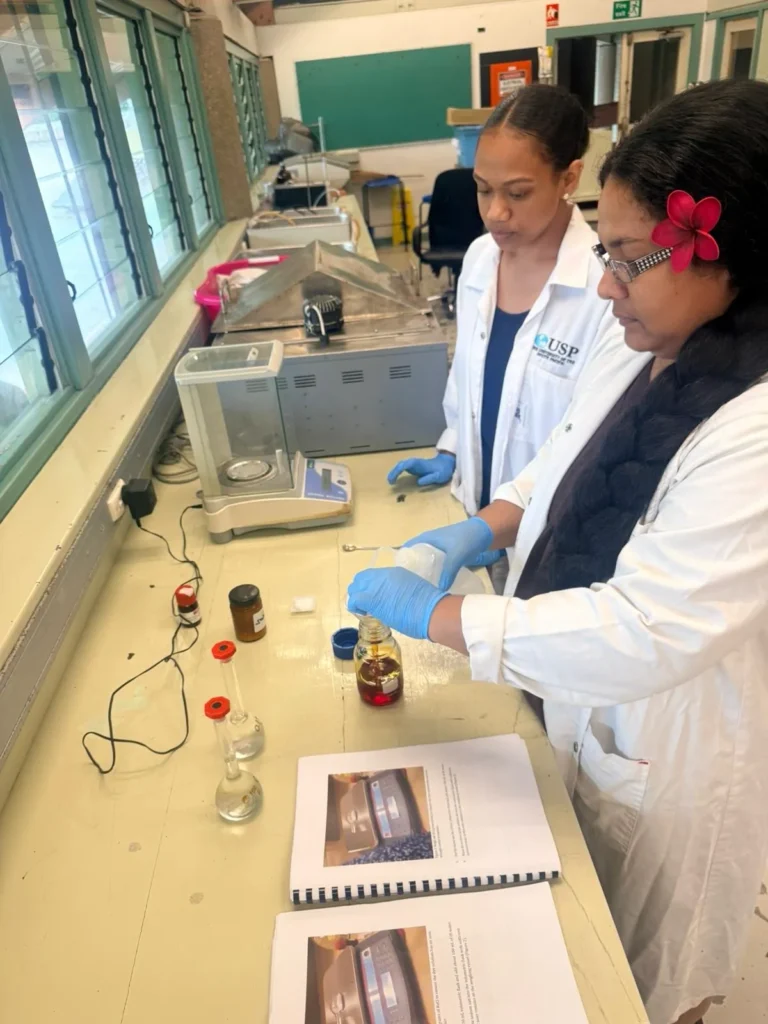
The Pacific Islands Ocean Acidification Centre (PIOAC) was created in 2021 to support ocean acidification capacity development throughout the Pacific. To address the impacts of ocean acidification, we must monitor and understand the local ocean acidification conditions in our environment. PIOAC is now working with Pacific partners to build capacity and find Pacific solutions to address the impacts of ocean acidification through:
· Training to increase regional expertise in ocean acidification monitoring
· Advice on the application of monitoring to support adaptation and mitigation approaches
· Access to international networks that support monitoring, action, and policy efforts.
· Assistance with ocean acidification data management and accessibility through established data portals
The current initiative provides a significant opportunity to contribute towards achieving SDG target 14.3, which emphasizes the critical objective of minimizing and addressing the adverse effects of ocean acidification. This can be achieved by fostering enhanced scientific collaboration at all levels to better understand, monitor and mitigate the impacts of ocean acidification over the next decade.
PIOAC is a SPC-led initiative which includes partners from University of the South Pacific, New Zealand’s National Institute of Water and Atmospheric Research (NIWA), and University of Otago with funding support from the Ocean Foundation and NOAA. Through an expanding network, we are working to support Pacific Island researchers, government officials, and community members and to raise awareness about the negative impacts of OA on marine life and ecosystems.